Buy salig.eu ?
We are moving the project
salig.eu .
Are you interested in purchasing the domain
salig.eu ?
domain@kv-gmbh.de · 0541-91531010
Buy salig.eu ?
How can I disable the virtualization technology in the BIOS?
To disable virtualization technology in the BIOS, you will need to access the BIOS settings during the computer's startup process. This is typically done by pressing a specific key (such as F2, F10, or Del) as the computer boots up. Once in the BIOS settings, look for an option related to virtualization technology (often labeled as Intel VT-x or AMD-V) and disable it. Save the changes and exit the BIOS settings to apply the changes. Keep in mind that the exact steps may vary depending on the manufacturer and model of your computer. **
Does the BIOS recognize the BIOS file?
Yes, the BIOS recognizes the BIOS file as it is responsible for initializing and managing hardware components during the boot process. The BIOS file contains the necessary instructions and settings for the motherboard to communicate with the hardware components. If the BIOS file is corrupted or missing, the system may fail to boot properly. Regular updates to the BIOS file can improve system stability and compatibility with new hardware. **


Similar search terms for BIOS
Top-Angebote
Products related to BIOS:
-
SAGE Publications A Little Guide for Teachers: Diversity in Schools (A Little Guide for Teachers)A Little Guide for Teachers: Diversity in Schools aims to provide starting points for teachers and leaders in creating a curriculum, either across disciplines or within subjects, that is as deep and diverse as their students. The Little Guide for Teachers series is little in size but BIG on all the support and inspiration you need to navigate your day to day life as a teacher. · Authored by experts in the field · Easy to dip in-and-out of · Interactive activities encourage you to write into the book and make it your own · Fun engaging illustrations throughout · Read in an afternoon or take as long as you like with it!12,99 £*Shipping: 2,99 £Secure redirect to the provider
-
Uplift Essentials N50 High Efficiency Cat Litter Deodorizer Blocks N50 High Efficiency Cat Litter Deodorizer BlocksTake control of your homes air quality with the N50 cat litter deodorizer blocks. These professionalgrade odor eliminators are engineered to neutralize stubborn ammonia and waste smells at the source, rather than just masking them with heavy...142,97 $*Shipping: 0,00 $Secure redirect to the provider




-
Does the BIOS not recognize the BIOS file?
If the BIOS does not recognize the BIOS file, it could be due to several reasons. The file may be corrupted or incompatible with the BIOS version. Ensure that you have downloaded the correct BIOS file for your specific motherboard model. Additionally, check if the file format is supported by the BIOS. If the issue persists, you may need to consult the motherboard manufacturer's support or consider updating the BIOS using a different method. **
-
What is a 2x16MB Dual-BIOS? What is a 16MB-BIOS and a 32MB-BIOS?
A 2x16MB Dual-BIOS refers to a motherboard feature that includes two separate 16MB BIOS chips, allowing for a backup BIOS in case the primary one fails. A 16MB-BIOS is a BIOS chip with a capacity of 16 megabytes, which stores the firmware needed to boot up the computer and initialize hardware components. A 32MB-BIOS, on the other hand, is a BIOS chip with a capacity of 32 megabytes, providing more space for additional features, updates, and customization options. **
-
Are the system BIOS and the video BIOS shadowed?
The system BIOS and the video BIOS are typically shadowed in modern computers. Shadowing refers to the process of copying the BIOS code from slow ROM (Read-Only Memory) chips to faster RAM (Random Access Memory) chips, which can improve the performance of the system. By shadowing the BIOS, the computer can access the BIOS code more quickly, leading to faster boot times and overall system performance. However, some newer systems may not shadow the BIOS due to advancements in hardware and firmware technology. **
-
How can I activate Intel Turbo Boost Technology without using the BIOS?
You can activate Intel Turbo Boost Technology without using the BIOS by using the Intel Turbo Boost Technology Monitor software. This software allows you to monitor and enable Turbo Boost on your Intel processor. Simply download and install the software from the Intel website, and then follow the instructions to enable Turbo Boost. Keep in mind that not all Intel processors support Turbo Boost, so make sure to check if your processor is compatible before attempting to enable it. **
How can I update the BIOS without accessing the BIOS?
You can update the BIOS without accessing the BIOS by using a Windows-based BIOS update utility provided by the motherboard manufacturer. This utility allows you to update the BIOS from within the Windows operating system without needing to enter the BIOS setup. You can download the latest BIOS update file from the manufacturer's website and then run the update utility to install the new BIOS version. It's important to follow the manufacturer's instructions carefully and ensure that the system is stable and connected to a reliable power source during the update process. **
How do I perform a BIOS update using the BIOS?
To perform a BIOS update using the BIOS, you will first need to download the latest BIOS update file from the manufacturer's website and save it to a USB drive. Then, restart your computer and enter the BIOS by pressing a specific key (such as F2, F10, or Del) during the boot process. Once in the BIOS, navigate to the "Update" or "Flash BIOS" option and select the USB drive as the source for the update file. Follow the on-screen instructions to complete the BIOS update process. It's important to note that updating the BIOS carries some risk, so it's recommended to only do so if necessary and to carefully follow the manufacturer's instructions. **
Top-Angebote
Products related to BIOS:
-
HARPERCOLLINS Creative Confidence by Tom & David Kelley – Unleashing Your Creative Potential & Innovation MindsetA powerful and inspiring book from the founders of IDEO, the award-winning design firm, on unleashing the creativity that lies within each and every one of us. Too often, companies and individuals assume that creativity and innovation are the domain of the ‘creative types’. But two of the foremost experts in innovation, design and creativity on the planet show us that each and every one of us is creative. In an entertaining and inspiring narrative that draws on countless stories from their work at IDEO, and with many of the world's top companies and design firms, David and Tom Kelley identify the principles and strategies that will allow us to tap into our creative potential in our work lives, and in our personal lives, allow us to think outside the box in terms of how we approach and solve problems. ‘Creative Confidence’ is a book that will help each of us be more productive and successful in our lives and in our careers.4,95 £*Shipping: 1,99 £Secure redirect to the provider
-
Mamas & Papas Special Edition Liberty Collaboration Cold Weather Plus FootmuffThe Cold Weather Plus Footmuff by Mamas & Papas is the ultimate footmuff for cold weather protection, and features an extra-soft fleece lining. Ideal for keeping baby warm and cozy when out and about in cool weather, you can even zip down to a liner...150,00 $*Shipping: 0,00 $Secure redirect to the provider
-
How can I disable the virtualization technology in the BIOS?
To disable virtualization technology in the BIOS, you will need to access the BIOS settings during the computer's startup process. This is typically done by pressing a specific key (such as F2, F10, or Del) as the computer boots up. Once in the BIOS settings, look for an option related to virtualization technology (often labeled as Intel VT-x or AMD-V) and disable it. Save the changes and exit the BIOS settings to apply the changes. Keep in mind that the exact steps may vary depending on the manufacturer and model of your computer. **
-
Does the BIOS recognize the BIOS file?
Yes, the BIOS recognizes the BIOS file as it is responsible for initializing and managing hardware components during the boot process. The BIOS file contains the necessary instructions and settings for the motherboard to communicate with the hardware components. If the BIOS file is corrupted or missing, the system may fail to boot properly. Regular updates to the BIOS file can improve system stability and compatibility with new hardware. **
-
Does the BIOS not recognize the BIOS file?
If the BIOS does not recognize the BIOS file, it could be due to several reasons. The file may be corrupted or incompatible with the BIOS version. Ensure that you have downloaded the correct BIOS file for your specific motherboard model. Additionally, check if the file format is supported by the BIOS. If the issue persists, you may need to consult the motherboard manufacturer's support or consider updating the BIOS using a different method. **
-
What is a 2x16MB Dual-BIOS? What is a 16MB-BIOS and a 32MB-BIOS?
A 2x16MB Dual-BIOS refers to a motherboard feature that includes two separate 16MB BIOS chips, allowing for a backup BIOS in case the primary one fails. A 16MB-BIOS is a BIOS chip with a capacity of 16 megabytes, which stores the firmware needed to boot up the computer and initialize hardware components. A 32MB-BIOS, on the other hand, is a BIOS chip with a capacity of 32 megabytes, providing more space for additional features, updates, and customization options. **
Similar search terms for BIOS
-
SAGE Publications A Little Guide for Teachers: Diversity in Schools (A Little Guide for Teachers)A Little Guide for Teachers: Diversity in Schools aims to provide starting points for teachers and leaders in creating a curriculum, either across disciplines or within subjects, that is as deep and diverse as their students. The Little Guide for Teachers series is little in size but BIG on all the support and inspiration you need to navigate your day to day life as a teacher. · Authored by experts in the field · Easy to dip in-and-out of · Interactive activities encourage you to write into the book and make it your own · Fun engaging illustrations throughout · Read in an afternoon or take as long as you like with it!12,99 £*Shipping: 2,99 £Secure redirect to the provider
-
Uplift Essentials N50 High Efficiency Cat Litter Deodorizer Blocks N50 High Efficiency Cat Litter Deodorizer BlocksTake control of your homes air quality with the N50 cat litter deodorizer blocks. These professionalgrade odor eliminators are engineered to neutralize stubborn ammonia and waste smells at the source, rather than just masking them with heavy...142,97 $*Shipping: 0,00 $Secure redirect to the provider
-
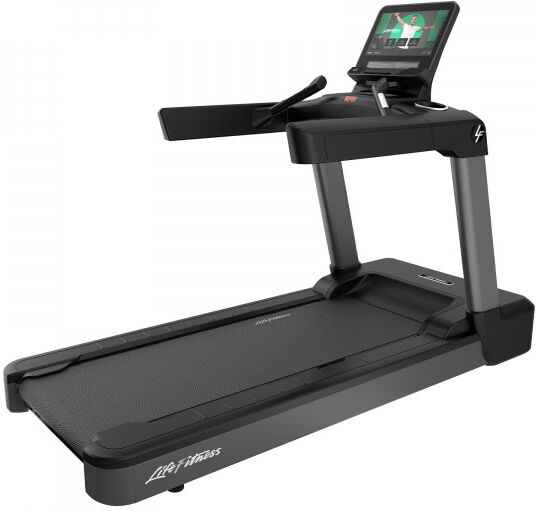
Life Fitness Integrity+ Treadmill Titanium Storm 16â€�LIFE FITNESS INTEGRITY+ TREADMILL: THE PREMIER FITNESS SOLUTION The Life Fitness Integrity+ Treadmill sets a new standard in workout technology and design. This premium treadmill meets the needs of the most demanding clientele with its innovative features, customisable workout options,...19020,00 £*Shipping: 0,00 £Secure redirect to the provider
-
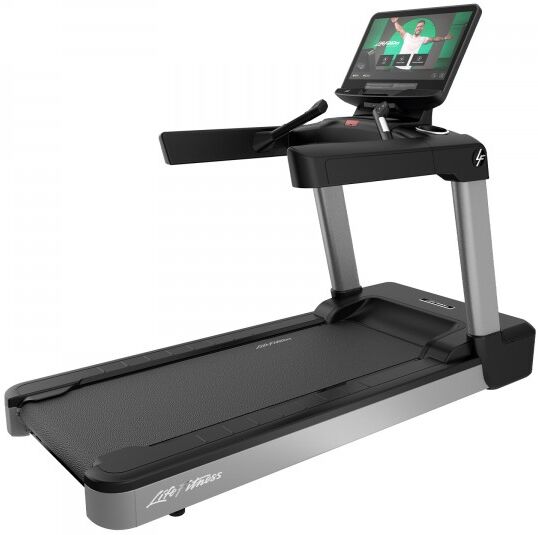
Life Fitness Integrity+ Treadmill Arctic Silver 24LIFE FITNESS INTEGRITY+ TREADMILL: THE PREMIER FITNESS SOLUTION The Life Fitness Integrity+ Treadmill sets a new standard in workout technology and design. This premium treadmill meets the needs of the most demanding clientele with its innovative features, customisable workout options,...21180,00 £*Shipping: 0,00 £Secure redirect to the provider
-
Are the system BIOS and the video BIOS shadowed?
The system BIOS and the video BIOS are typically shadowed in modern computers. Shadowing refers to the process of copying the BIOS code from slow ROM (Read-Only Memory) chips to faster RAM (Random Access Memory) chips, which can improve the performance of the system. By shadowing the BIOS, the computer can access the BIOS code more quickly, leading to faster boot times and overall system performance. However, some newer systems may not shadow the BIOS due to advancements in hardware and firmware technology. **
-
How can I activate Intel Turbo Boost Technology without using the BIOS?
You can activate Intel Turbo Boost Technology without using the BIOS by using the Intel Turbo Boost Technology Monitor software. This software allows you to monitor and enable Turbo Boost on your Intel processor. Simply download and install the software from the Intel website, and then follow the instructions to enable Turbo Boost. Keep in mind that not all Intel processors support Turbo Boost, so make sure to check if your processor is compatible before attempting to enable it. **
-
How can I update the BIOS without accessing the BIOS?
You can update the BIOS without accessing the BIOS by using a Windows-based BIOS update utility provided by the motherboard manufacturer. This utility allows you to update the BIOS from within the Windows operating system without needing to enter the BIOS setup. You can download the latest BIOS update file from the manufacturer's website and then run the update utility to install the new BIOS version. It's important to follow the manufacturer's instructions carefully and ensure that the system is stable and connected to a reliable power source during the update process. **
-
How do I perform a BIOS update using the BIOS?
To perform a BIOS update using the BIOS, you will first need to download the latest BIOS update file from the manufacturer's website and save it to a USB drive. Then, restart your computer and enter the BIOS by pressing a specific key (such as F2, F10, or Del) during the boot process. Once in the BIOS, navigate to the "Update" or "Flash BIOS" option and select the USB drive as the source for the update file. Follow the on-screen instructions to complete the BIOS update process. It's important to note that updating the BIOS carries some risk, so it's recommended to only do so if necessary and to carefully follow the manufacturer's instructions. **
* All prices are inclusive of VAT and, if applicable, plus shipping costs. The offer information is based on the details provided by the respective shop and is updated through automated processes. Real-time updates do not occur, so deviations can occur in individual cases. ** Note: Parts of this content were created by AI.