Buy salig.eu ?
We are moving the project
salig.eu .
Are you interested in purchasing the domain
salig.eu ?
domain@kv-gmbh.de · 0541-91531010
Buy salig.eu ?
What is the difference between poetic realism and realism?
Poetic realism and realism are both literary movements that aim to depict life as it is, but they differ in their approach and style. Realism focuses on portraying everyday life and ordinary people in a straightforward and objective manner, often without embellishment or idealization. Poetic realism, on the other hand, combines realistic elements with poetic and lyrical language, creating a more stylized and artistic representation of reality. Poetic realism often uses symbolism, metaphor, and other literary devices to convey deeper meanings and emotions, while realism tends to focus more on the surface details of everyday life. **
What is the new realism?
The new realism is a philosophical movement that emerged in the 20th century, emphasizing the importance of reality and the external world. It rejects the idea of subjective idealism and focuses on the objective existence of the world. New realists believe that reality exists independently of our perceptions and interpretations, and that it can be understood through scientific inquiry and empirical evidence. This movement seeks to provide a more accurate and comprehensive understanding of the world, challenging traditional philosophical views. **


Similar search terms for Realism
Top-Angebote
Products related to Realism:
-
HARPERCOLLINS Creative Confidence by Tom & David Kelley – Unleashing Your Creative Potential & Innovation MindsetA powerful and inspiring book from the founders of IDEO, the award-winning design firm, on unleashing the creativity that lies within each and every one of us. Too often, companies and individuals assume that creativity and innovation are the domain of the ‘creative types’. But two of the foremost experts in innovation, design and creativity on the planet show us that each and every one of us is creative. In an entertaining and inspiring narrative that draws on countless stories from their work at IDEO, and with many of the world's top companies and design firms, David and Tom Kelley identify the principles and strategies that will allow us to tap into our creative potential in our work lives, and in our personal lives, allow us to think outside the box in terms of how we approach and solve problems. ‘Creative Confidence’ is a book that will help each of us be more productive and successful in our lives and in our careers.4,95 £*Shipping: 1,99 £Secure redirect to the provider
-
Yealink MeetingBoard 65-inch 4K Interactive Collaboration Display (MB65-A001)Yealink MeetingBoard 65 (MB65-A001): a 65-inch 4K Ultra HD LED-backlit interactive touch display for meeting rooms, with built-in camera, microphone array and speakers for Microsoft Teams Rooms and Zoom Rooms. Runs Android with a built-in processor and Wi-Fi.3896,99 £*Shipping: 0,00 £Secure redirect to the provider
-
Dell Pro Silent Wired Collaboration Keyboard KB525C UK QWERTY - BlackProfessional wired collaboration keyboard featuring spill-resistant design and silent key switches. Includes 15 programmable shortcut keys, dedicated Copilot key, and volume controls for enhanced productivity. Full numeric keypad and UK QWERTY layout with comprehensive 3-year NBD Advance Exchange support.45,99 £*Shipping: 0,00 £Secure redirect to the provider
-
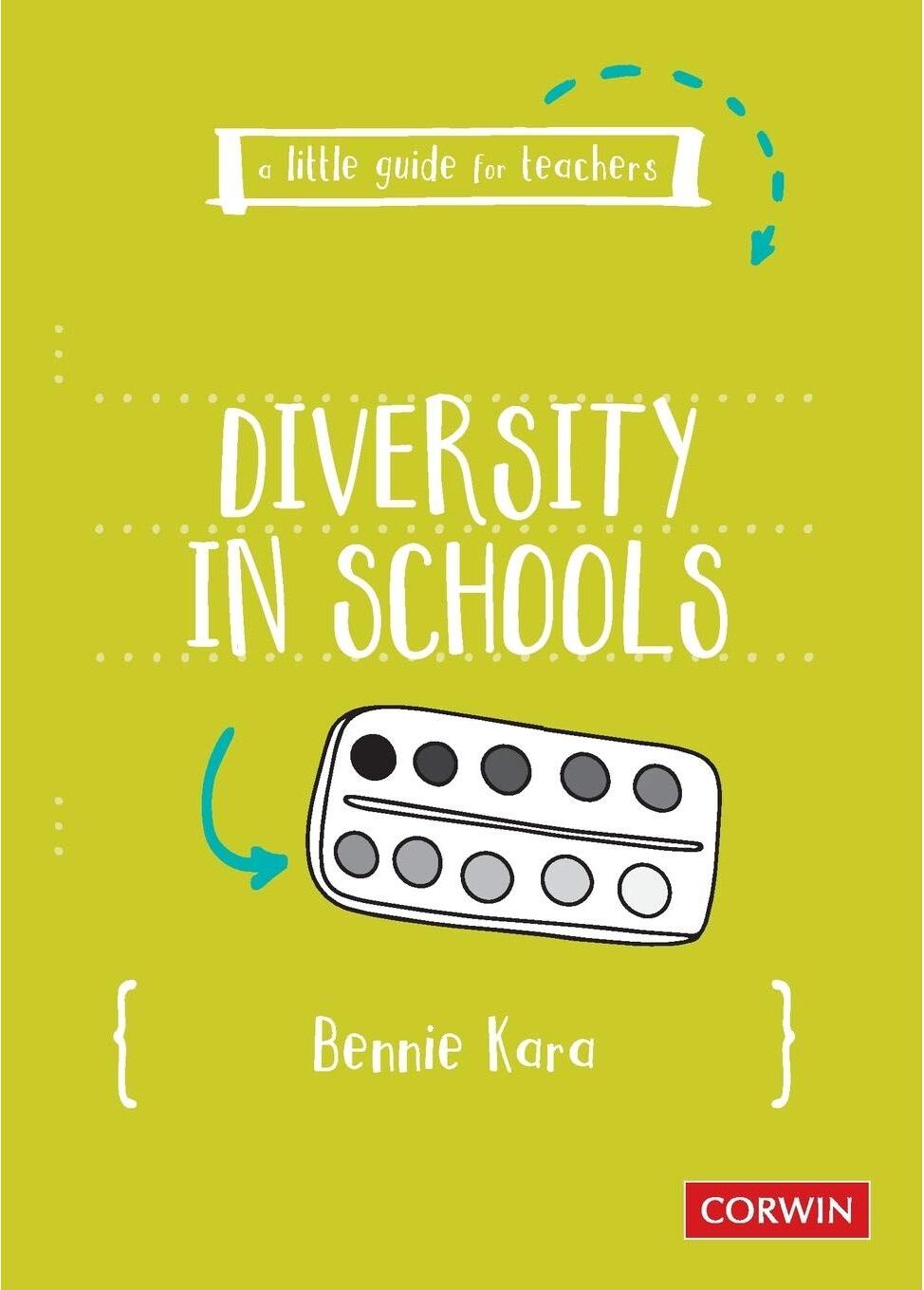
SAGE Publications A Little Guide for Teachers: Diversity in Schools (A Little Guide for Teachers)A Little Guide for Teachers: Diversity in Schools aims to provide starting points for teachers and leaders in creating a curriculum, either across disciplines or within subjects, that is as deep and diverse as their students. The Little Guide for Teachers series is little in size but BIG on all the support and inspiration you need to navigate your day to day life as a teacher. · Authored by experts in the field · Easy to dip in-and-out of · Interactive activities encourage you to write into the book and make it your own · Fun engaging illustrations throughout · Read in an afternoon or take as long as you like with it!12,99 £*Shipping: 2,99 £Secure redirect to the provider



-
What is realism in "Irrungen Wirrungen"?
Realism in "Irrungen Wirrungen" refers to the novel's portrayal of everyday life in 19th-century Berlin with a focus on the social and economic realities of the time. The author, Theodor Fontane, presents a detailed and accurate depiction of the struggles faced by the lower and middle classes, as well as the constraints imposed by societal norms and expectations. Through realistic characterizations and settings, Fontane captures the complexities of human relationships and the challenges of navigating a rapidly changing society. **
-
What is magical realism in literature?
Magical realism is a literary genre that combines realistic elements with magical or fantastical elements in a way that blurs the line between reality and imagination. It often involves the presence of magical occurrences or supernatural beings in an otherwise ordinary or mundane setting. Magical realism allows authors to explore complex themes and emotions through the use of fantastical elements, creating a sense of wonder and mystery in the narrative. This genre is often associated with Latin American literature, with authors like Gabriel Garcia Marquez and Isabel Allende being prominent examples of magical realist writers. **
-
What are the downsides of realism?
One downside of realism is that it can lead to a pessimistic view of the world, as it often focuses on the harsh realities of life. This can lead to a lack of hope and optimism in individuals who subscribe to a strictly realist perspective. Additionally, realism can sometimes overlook the importance of imagination and creativity, as it tends to prioritize practicality and logic. Finally, realism can also be criticized for its tendency to ignore the subjective and emotional aspects of human experience, focusing solely on observable facts and evidence. **
-
What do we understand by realism?
Realism is a literary and artistic movement that emerged in the 19th century, emphasizing the depiction of everyday life and the experiences of ordinary people. It sought to present the world as it is, without idealization or romanticism, and often focused on the harsh realities of life. Realist works often explore social issues, human behavior, and the complexities of relationships, and they strive for accuracy and detail in their portrayal of the world. Realism is characterized by its rejection of the fantastical and its commitment to representing the truth of human existence. **


How did realism arise in art?
Realism arose in art as a reaction against the idealized and romanticized depictions of the world that were prevalent in the 18th and early 19th centuries. Artists sought to represent the world as it truly appeared, focusing on everyday subjects and ordinary people. This movement was also influenced by the rise of photography, which provided a new standard of visual accuracy. Realist artists aimed to capture the social and political realities of their time, often addressing issues such as poverty, industrialization, and the human condition. This shift towards a more truthful and unembellished representation of the world marked a significant departure from the prevailing artistic conventions of the time. **
What is the philosophical background of realism?
Realism is a philosophical perspective that asserts the existence of an objective reality that is independent of human perception or interpretation. It is rooted in the belief that the world exists as it is, regardless of our thoughts or beliefs about it. Realism emphasizes the importance of empirical evidence and scientific inquiry in understanding the world around us. This perspective contrasts with idealism, which posits that reality is shaped by our minds or consciousness. **
Top-Angebote
Products related to Realism:
-
HARPERCOLLINS Creative Confidence by Tom & David Kelley – Unleashing Your Creative Potential & Innovation MindsetA powerful and inspiring book from the founders of IDEO, the award-winning design firm, on unleashing the creativity that lies within each and every one of us. Too often, companies and individuals assume that creativity and innovation are the domain of the ‘creative types’. But two of the foremost experts in innovation, design and creativity on the planet show us that each and every one of us is creative. In an entertaining and inspiring narrative that draws on countless stories from their work at IDEO, and with many of the world's top companies and design firms, David and Tom Kelley identify the principles and strategies that will allow us to tap into our creative potential in our work lives, and in our personal lives, allow us to think outside the box in terms of how we approach and solve problems. ‘Creative Confidence’ is a book that will help each of us be more productive and successful in our lives and in our careers.4,95 £*Shipping: 1,99 £Secure redirect to the provider
-
Yealink MeetingBoard 65-inch 4K Interactive Collaboration Display (MB65-A001)Yealink MeetingBoard 65 (MB65-A001): a 65-inch 4K Ultra HD LED-backlit interactive touch display for meeting rooms, with built-in camera, microphone array and speakers for Microsoft Teams Rooms and Zoom Rooms. Runs Android with a built-in processor and Wi-Fi.3896,99 £*Shipping: 0,00 £Secure redirect to the provider
-
What is the difference between poetic realism and realism?
Poetic realism and realism are both literary movements that aim to depict life as it is, but they differ in their approach and style. Realism focuses on portraying everyday life and ordinary people in a straightforward and objective manner, often without embellishment or idealization. Poetic realism, on the other hand, combines realistic elements with poetic and lyrical language, creating a more stylized and artistic representation of reality. Poetic realism often uses symbolism, metaphor, and other literary devices to convey deeper meanings and emotions, while realism tends to focus more on the surface details of everyday life. **
-
What is the new realism?
The new realism is a philosophical movement that emerged in the 20th century, emphasizing the importance of reality and the external world. It rejects the idea of subjective idealism and focuses on the objective existence of the world. New realists believe that reality exists independently of our perceptions and interpretations, and that it can be understood through scientific inquiry and empirical evidence. This movement seeks to provide a more accurate and comprehensive understanding of the world, challenging traditional philosophical views. **
-
What is realism in "Irrungen Wirrungen"?
Realism in "Irrungen Wirrungen" refers to the novel's portrayal of everyday life in 19th-century Berlin with a focus on the social and economic realities of the time. The author, Theodor Fontane, presents a detailed and accurate depiction of the struggles faced by the lower and middle classes, as well as the constraints imposed by societal norms and expectations. Through realistic characterizations and settings, Fontane captures the complexities of human relationships and the challenges of navigating a rapidly changing society. **
-
What is magical realism in literature?
Magical realism is a literary genre that combines realistic elements with magical or fantastical elements in a way that blurs the line between reality and imagination. It often involves the presence of magical occurrences or supernatural beings in an otherwise ordinary or mundane setting. Magical realism allows authors to explore complex themes and emotions through the use of fantastical elements, creating a sense of wonder and mystery in the narrative. This genre is often associated with Latin American literature, with authors like Gabriel Garcia Marquez and Isabel Allende being prominent examples of magical realist writers. **
Similar search terms for Realism
-
Dell Pro Silent Wired Collaboration Keyboard KB525C UK QWERTY - BlackProfessional wired collaboration keyboard featuring spill-resistant design and silent key switches. Includes 15 programmable shortcut keys, dedicated Copilot key, and volume controls for enhanced productivity. Full numeric keypad and UK QWERTY layout with comprehensive 3-year NBD Advance Exchange support.45,99 £*Shipping: 0,00 £Secure redirect to the provider
-
SAGE Publications A Little Guide for Teachers: Diversity in Schools (A Little Guide for Teachers)A Little Guide for Teachers: Diversity in Schools aims to provide starting points for teachers and leaders in creating a curriculum, either across disciplines or within subjects, that is as deep and diverse as their students. The Little Guide for Teachers series is little in size but BIG on all the support and inspiration you need to navigate your day to day life as a teacher. · Authored by experts in the field · Easy to dip in-and-out of · Interactive activities encourage you to write into the book and make it your own · Fun engaging illustrations throughout · Read in an afternoon or take as long as you like with it!12,99 £*Shipping: 2,99 £Secure redirect to the provider
-
Yealink MeetingBoard Pro 75-inch 4K Interactive Collaboration Display (MB75Pro-A02)Yealink MeetingBoard Pro 75 (MB75Pro-A02): an all-in-one 75-inch 4K UHD (3840 x 2160) anti-glare multi-touch display for medium-sized meeting rooms. It has a 400 cd/m² panel, a built-in triple-eye camera system (3 x 50 MP), a 16-MEMS microphone array and full-range speakers, and runs Microsoft Teams Rooms on Android with an interactive whiteboard and wireless content sharing.4732,99 £*Shipping: 0,00 £Secure redirect to the provider
-
Uplift Essentials N50 High Efficiency Cat Litter Deodorizer Blocks N50 High Efficiency Cat Litter Deodorizer BlocksTake control of your homes air quality with the N50 cat litter deodorizer blocks. These professionalgrade odor eliminators are engineered to neutralize stubborn ammonia and waste smells at the source, rather than just masking them with heavy...142,97 $*Shipping: 0,00 $Secure redirect to the provider
-
What are the downsides of realism?
One downside of realism is that it can lead to a pessimistic view of the world, as it often focuses on the harsh realities of life. This can lead to a lack of hope and optimism in individuals who subscribe to a strictly realist perspective. Additionally, realism can sometimes overlook the importance of imagination and creativity, as it tends to prioritize practicality and logic. Finally, realism can also be criticized for its tendency to ignore the subjective and emotional aspects of human experience, focusing solely on observable facts and evidence. **
-
What do we understand by realism?
Realism is a literary and artistic movement that emerged in the 19th century, emphasizing the depiction of everyday life and the experiences of ordinary people. It sought to present the world as it is, without idealization or romanticism, and often focused on the harsh realities of life. Realist works often explore social issues, human behavior, and the complexities of relationships, and they strive for accuracy and detail in their portrayal of the world. Realism is characterized by its rejection of the fantastical and its commitment to representing the truth of human existence. **
-
How did realism arise in art?
Realism arose in art as a reaction against the idealized and romanticized depictions of the world that were prevalent in the 18th and early 19th centuries. Artists sought to represent the world as it truly appeared, focusing on everyday subjects and ordinary people. This movement was also influenced by the rise of photography, which provided a new standard of visual accuracy. Realist artists aimed to capture the social and political realities of their time, often addressing issues such as poverty, industrialization, and the human condition. This shift towards a more truthful and unembellished representation of the world marked a significant departure from the prevailing artistic conventions of the time. **
-
What is the philosophical background of realism?
Realism is a philosophical perspective that asserts the existence of an objective reality that is independent of human perception or interpretation. It is rooted in the belief that the world exists as it is, regardless of our thoughts or beliefs about it. Realism emphasizes the importance of empirical evidence and scientific inquiry in understanding the world around us. This perspective contrasts with idealism, which posits that reality is shaped by our minds or consciousness. **
* All prices are inclusive of VAT and, if applicable, plus shipping costs. The offer information is based on the details provided by the respective shop and is updated through automated processes. Real-time updates do not occur, so deviations can occur in individual cases. ** Note: Parts of this content were created by AI.