Buy salig.eu ?
We are moving the project
salig.eu .
Are you interested in purchasing the domain
salig.eu ?
domain@kv-gmbh.de · 0541-91531010
Buy salig.eu ?
What is the VSEPR theory in chemistry?
The VSEPR theory, which stands for Valence Shell Electron Pair Repulsion theory, is a model used in chemistry to predict the geometry of individual molecules based on the number of electron pairs surrounding their central atoms. According to this theory, electron pairs in the valence shell of an atom repel each other, leading to a molecular shape that minimizes this repulsion. By considering the number of bonding and non-bonding electron pairs around the central atom, the VSEPR theory can accurately predict the shape of molecules, helping chemists understand their properties and behaviors. **
What is molecular geometry according to the VSEPR theory?
Molecular geometry, according to the VSEPR (Valence Shell Electron Pair Repulsion) theory, is the three-dimensional arrangement of atoms in a molecule based on the repulsion between electron pairs in the valence shell of the central atom. The theory predicts the shape of a molecule by minimizing the repulsion between electron pairs, resulting in specific geometric arrangements such as linear, trigonal planar, tetrahedral, and so on. Understanding molecular geometry is crucial in determining the physical and chemical properties of a molecule, as well as its reactivity and behavior in various chemical reactions. **


Similar search terms for VSEPR
Top-Angebote
Products related to VSEPR:
-
milk_shake Integrity Nourishing Shampoo 300mLA shampoo. It a shampoo specially formulated for damaged hair or that needs an extra nutrition. Its formula with Organic Muru Muru Butter cleans, delicately, nourishing the hair instantaneous, eliminating the frizz effect. The hair is soft and radiant after use. It free from sulfates, sodium chloride and parabens.14,84 £*Shipping: 7,11 £Secure redirect to the provider
-
milk_shake Integrity Intensive Treatment 200mLA hair-care product. It a mask indicated to deeply nourish all hair types. With Muru Muru Butter, Coconut Oil and Hydrolysed Keratin, this mask, in addition to nourishing the hair, promises to seal the cuticle, untangle hair, protect hair colour and eliminate hair frizz. Although it can be used by all hair types, this mask is ideal for normal to thick hair that is badly damaged.19,41 £*Shipping: 7,11 £Secure redirect to the provider
-
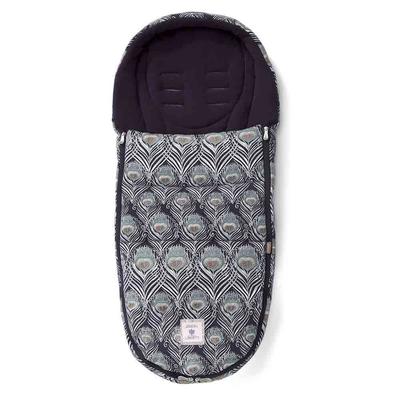
Mamas & Papas Special Edition Liberty Collaboration Cold Weather Plus FootmuffThe Cold Weather Plus Footmuff by Mamas & Papas is the ultimate footmuff for cold weather protection, and features an extra-soft fleece lining. Ideal for keeping baby warm and cozy when out and about in cool weather, you can even zip down to a liner...150,00 $*Shipping: 0,00 $Secure redirect to the provider


-
What is a double bond in the VSEPR model?
In the VSEPR (Valence Shell Electron Pair Repulsion) model, a double bond is a type of covalent bond where two pairs of electrons are shared between two atoms. This results in a stronger and shorter bond compared to a single bond. In terms of molecular geometry, a double bond is treated as a single bonding group, and it affects the overall shape of the molecule. The presence of a double bond can influence the angles between other atoms in the molecule, leading to specific molecular shapes and properties. **
-
What is the VSEPR model for water and hydrogen sulfide?
The VSEPR (Valence Shell Electron Pair Repulsion) model for water and hydrogen sulfide is both molecules have a bent molecular geometry. In water (H2O), the oxygen atom is surrounded by two bonding pairs and two lone pairs of electrons, resulting in a bent shape. In hydrogen sulfide (H2S), the sulfur atom is surrounded by two bonding pairs and two lone pairs of electrons, also leading to a bent molecular structure. **
-
What is the difference between the VSEPR model and hybridization?
The VSEPR (Valence Shell Electron Pair Repulsion) model is a theory used to predict the geometry of molecules based on the repulsion between electron pairs in the valence shell of an atom. It focuses on the arrangement of electron pairs around the central atom to determine the molecular shape. On the other hand, hybridization is a concept used to explain the mixing of atomic orbitals to form new hybrid orbitals in the valence shell of an atom. This process occurs in order to accommodate the bonding requirements of a molecule and to explain the observed molecular geometries. Hybridization is used to describe the bonding in a molecule, while VSEPR is used to predict the molecular geometry based on the arrangement of electron pairs. **
-
What is the difference between the VSEPR model and the Lewis structure formula notation?
The VSEPR (Valence Shell Electron Pair Repulsion) model is a theory used to predict the shape of molecules based on the repulsion between electron pairs in the valence shell of an atom. It focuses on the arrangement of atoms and lone pairs around a central atom. On the other hand, the Lewis structure formula notation is a way of representing the bonding and non-bonding electrons in a molecule using lines and dots. It focuses on showing the connectivity of atoms and the distribution of electrons in a molecule. In summary, the VSEPR model predicts the shape of molecules, while the Lewis structure formula notation represents the electron distribution in a molecule. **


What is the VSEPR model in chemistry and what role does the central atom play in it?
The VSEPR (Valence Shell Electron Pair Repulsion) model is a theory in chemistry that predicts the shape of molecules based on the repulsion between electron pairs in the valence shell of an atom. The central atom in a molecule plays a crucial role in the VSEPR model as it is the atom around which the other atoms and lone pairs arrange themselves to minimize repulsion and achieve the most stable geometry. The number of bonding pairs and lone pairs around the central atom determine the molecular geometry according to the VSEPR theory. **
Why do non-bonding electron pairs take up more space than bonding electron pairs in the VSEPR model?
Non-bonding electron pairs take up more space than bonding electron pairs in the VSEPR model because they are not involved in the formation of a bond and therefore experience greater repulsion from other electron pairs. This repulsion causes non-bonding electron pairs to spread out more, resulting in a larger electron cloud and a greater repulsive force. In contrast, bonding electron pairs are held closer together by the shared nucleus of the bonded atoms, leading to a smaller electron cloud and less repulsion. This difference in repulsion between non-bonding and bonding electron pairs is a key factor in determining the overall shape of a molecule in the VSEPR model. **
Top-Angebote
Products related to VSEPR:
-
Sesderma Reti Age 5 Liposomal Serum Anti-Aging Innovation 30mLA facial serum for wrinkles and signs of ageing. Reduces wrinkles and fine lines. Hydrates and strengthens barrier. Restores youthful radiance. 5-Retinoid System: smooths wrinkles, accelerates renewal, and boosts collagen. Biomimetic Peptides: fill expression lines by stimulating collagen synthesis.54,51 £*Shipping: 5,34 £Secure redirect to the provider
-
milk_shake Integrity Nourishing Shampoo 300mLA shampoo. It a shampoo specially formulated for damaged hair or that needs an extra nutrition. Its formula with Organic Muru Muru Butter cleans, delicately, nourishing the hair instantaneous, eliminating the frizz effect. The hair is soft and radiant after use. It free from sulfates, sodium chloride and parabens.14,84 £*Shipping: 7,11 £Secure redirect to the provider
-
What is the VSEPR theory in chemistry?
The VSEPR theory, which stands for Valence Shell Electron Pair Repulsion theory, is a model used in chemistry to predict the geometry of individual molecules based on the number of electron pairs surrounding their central atoms. According to this theory, electron pairs in the valence shell of an atom repel each other, leading to a molecular shape that minimizes this repulsion. By considering the number of bonding and non-bonding electron pairs around the central atom, the VSEPR theory can accurately predict the shape of molecules, helping chemists understand their properties and behaviors. **
-
What is molecular geometry according to the VSEPR theory?
Molecular geometry, according to the VSEPR (Valence Shell Electron Pair Repulsion) theory, is the three-dimensional arrangement of atoms in a molecule based on the repulsion between electron pairs in the valence shell of the central atom. The theory predicts the shape of a molecule by minimizing the repulsion between electron pairs, resulting in specific geometric arrangements such as linear, trigonal planar, tetrahedral, and so on. Understanding molecular geometry is crucial in determining the physical and chemical properties of a molecule, as well as its reactivity and behavior in various chemical reactions. **
-
What is a double bond in the VSEPR model?
In the VSEPR (Valence Shell Electron Pair Repulsion) model, a double bond is a type of covalent bond where two pairs of electrons are shared between two atoms. This results in a stronger and shorter bond compared to a single bond. In terms of molecular geometry, a double bond is treated as a single bonding group, and it affects the overall shape of the molecule. The presence of a double bond can influence the angles between other atoms in the molecule, leading to specific molecular shapes and properties. **
-
What is the VSEPR model for water and hydrogen sulfide?
The VSEPR (Valence Shell Electron Pair Repulsion) model for water and hydrogen sulfide is both molecules have a bent molecular geometry. In water (H2O), the oxygen atom is surrounded by two bonding pairs and two lone pairs of electrons, resulting in a bent shape. In hydrogen sulfide (H2S), the sulfur atom is surrounded by two bonding pairs and two lone pairs of electrons, also leading to a bent molecular structure. **
Similar search terms for VSEPR
-
milk_shake Integrity Intensive Treatment 200mLA hair-care product. It a mask indicated to deeply nourish all hair types. With Muru Muru Butter, Coconut Oil and Hydrolysed Keratin, this mask, in addition to nourishing the hair, promises to seal the cuticle, untangle hair, protect hair colour and eliminate hair frizz. Although it can be used by all hair types, this mask is ideal for normal to thick hair that is badly damaged.19,41 £*Shipping: 7,11 £Secure redirect to the provider
-
Mamas & Papas Special Edition Liberty Collaboration Cold Weather Plus FootmuffThe Cold Weather Plus Footmuff by Mamas & Papas is the ultimate footmuff for cold weather protection, and features an extra-soft fleece lining. Ideal for keeping baby warm and cozy when out and about in cool weather, you can even zip down to a liner...150,00 $*Shipping: 0,00 $Secure redirect to the provider
-
Yealink MeetingBoard 65-inch 4K Interactive Collaboration Display (MB65-A001)Yealink MeetingBoard 65 (MB65-A001): a 65-inch 4K Ultra HD LED-backlit interactive touch display for meeting rooms, with built-in camera, microphone array and speakers for Microsoft Teams Rooms and Zoom Rooms. Runs Android with a built-in processor and Wi-Fi.3896,99 £*Shipping: 0,00 £Secure redirect to the provider
-
Dell Pro Silent Wired Collaboration Keyboard KB525C UK QWERTY - BlackProfessional wired collaboration keyboard featuring spill-resistant design and silent key switches. Includes 15 programmable shortcut keys, dedicated Copilot key, and volume controls for enhanced productivity. Full numeric keypad and UK QWERTY layout with comprehensive 3-year NBD Advance Exchange support.45,99 £*Shipping: 0,00 £Secure redirect to the provider
-
What is the difference between the VSEPR model and hybridization?
The VSEPR (Valence Shell Electron Pair Repulsion) model is a theory used to predict the geometry of molecules based on the repulsion between electron pairs in the valence shell of an atom. It focuses on the arrangement of electron pairs around the central atom to determine the molecular shape. On the other hand, hybridization is a concept used to explain the mixing of atomic orbitals to form new hybrid orbitals in the valence shell of an atom. This process occurs in order to accommodate the bonding requirements of a molecule and to explain the observed molecular geometries. Hybridization is used to describe the bonding in a molecule, while VSEPR is used to predict the molecular geometry based on the arrangement of electron pairs. **
-
What is the difference between the VSEPR model and the Lewis structure formula notation?
The VSEPR (Valence Shell Electron Pair Repulsion) model is a theory used to predict the shape of molecules based on the repulsion between electron pairs in the valence shell of an atom. It focuses on the arrangement of atoms and lone pairs around a central atom. On the other hand, the Lewis structure formula notation is a way of representing the bonding and non-bonding electrons in a molecule using lines and dots. It focuses on showing the connectivity of atoms and the distribution of electrons in a molecule. In summary, the VSEPR model predicts the shape of molecules, while the Lewis structure formula notation represents the electron distribution in a molecule. **
-
What is the VSEPR model in chemistry and what role does the central atom play in it?
The VSEPR (Valence Shell Electron Pair Repulsion) model is a theory in chemistry that predicts the shape of molecules based on the repulsion between electron pairs in the valence shell of an atom. The central atom in a molecule plays a crucial role in the VSEPR model as it is the atom around which the other atoms and lone pairs arrange themselves to minimize repulsion and achieve the most stable geometry. The number of bonding pairs and lone pairs around the central atom determine the molecular geometry according to the VSEPR theory. **
-
Why do non-bonding electron pairs take up more space than bonding electron pairs in the VSEPR model?
Non-bonding electron pairs take up more space than bonding electron pairs in the VSEPR model because they are not involved in the formation of a bond and therefore experience greater repulsion from other electron pairs. This repulsion causes non-bonding electron pairs to spread out more, resulting in a larger electron cloud and a greater repulsive force. In contrast, bonding electron pairs are held closer together by the shared nucleus of the bonded atoms, leading to a smaller electron cloud and less repulsion. This difference in repulsion between non-bonding and bonding electron pairs is a key factor in determining the overall shape of a molecule in the VSEPR model. **
* All prices are inclusive of VAT and, if applicable, plus shipping costs. The offer information is based on the details provided by the respective shop and is updated through automated processes. Real-time updates do not occur, so deviations can occur in individual cases. ** Note: Parts of this content were created by AI.